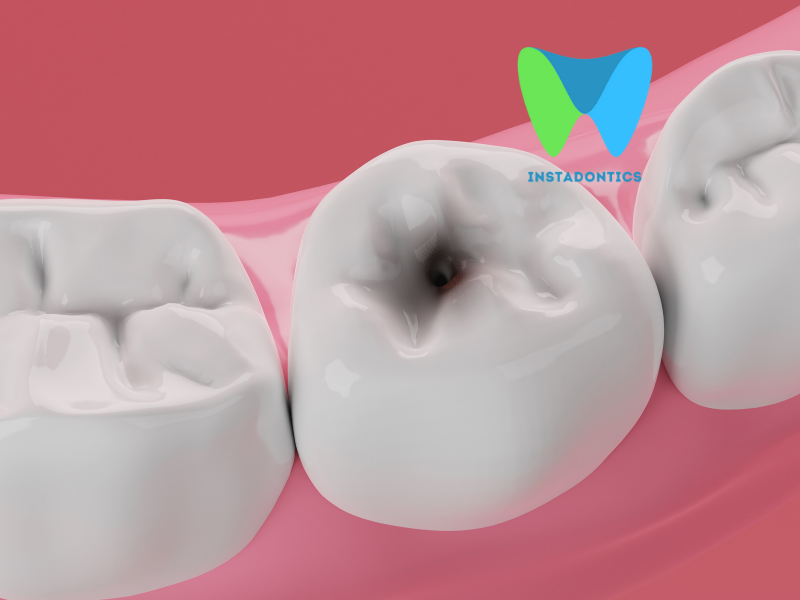
What are the Symptoms of Mercury Poisoning from Amalgam Fillings? | Mercury has been used in dental amalgam fillings for over a century due to its durability and malleability. However, concerns regarding the potential health risks associated with mercury exposure have led to ongoing debates about the safety of amalgam fillings. This review focuses on the symptoms of mercury poisoning that may arise from dental amalgam, exploring the mechanisms of exposure, clinical manifestations, and the current understanding of the risks involved.
Medically reviewed content. Written with guidance from licensed dental practitioners.
Mercury has been used in dental amalgam fillings for over 150 years, valued for durability and malleability. Concerns about mercury exposure from these fillings have persisted for decades, and the topic remains genuinely contested among researchers and regulators — not because the symptoms of mercury poisoning itself are unclear, but because whether amalgam fillings release enough mercury to actually cause those symptoms in typical use is still debated. This guide covers the real mechanisms of exposure, what mercury poisoning symptoms actually look like, what the exposure-level research shows, and how to think about your own risk without over- or under-estimating it — including the specific numbers regulators and researchers actually use to draw that line.
Understanding Mercury and Dental Amalgam
Dental amalgam is a mixture of metals — mercury, silver, tin, and copper — with mercury making up approximately 50% of the composition. When placed, mercury binds with the other metals into a relatively stable compound. The American Dental Association (ADA), World Health Organization (WHO), and U.S. FDA maintain that amalgam is safe for most people, though the FDA’s 2020 guidance recommends certain higher-risk groups avoid new amalgam placement (detailed below) — a position that reflects genuine scientific uncertainty at the margins, not a settled non-issue.
Mechanisms of Exposure
Mercury exposure from dental amalgam occurs through a few distinct pathways:
- Mercury vapor — released when amalgam is placed, removed, or subjected to normal wear (including chewing and grinding), and absorbed primarily through inhalation. Once inhaled, a large majority of the vapor dose is absorbed across the lung membranes and enters systemic circulation, where it’s converted into a form that can be distributed to organs including the kidneys and, in a smaller fraction, the brain.
- Leaching — small amounts of mercury can migrate from amalgam into surrounding tissue and the bloodstream over time, a slow, continuous process rather than a sudden release.
- Ingestion — mercury particles can be swallowed during chewing, particularly from a worn or damaged filling; ingested elemental mercury particles are generally poorly absorbed by the digestive tract compared to inhaled vapor, which is one reason inhalation is considered the more clinically relevant route of exposure for amalgam specifically.
What to look for: the highest exposure spikes happen specifically during placement or removal of amalgam — not from simply having intact fillings sitting in your mouth day to day — which is one reason removal itself is not risk-free and isn’t recommended for intact, asymptomatic fillings by the FDA.
How Much Mercury Vapor Actually Comes From Amalgam?
This is the part most articles on this topic skip, and it matters for putting any symptom list in context.
Occupational safety thresholds exist for comparison: the standard eight-hour workplace exposure limit for mercury vapor is 25.0 μg/m³, with an absolute ceiling of 125.0 μg/m³ that should never be exceeded. Research measuring mercury vapor released during active drilling and removal of amalgam — the highest-exposure moment in the entire lifecycle of a filling — found levels stayed below the occupational threshold when proper water spray and high-volume suction were used, but exceeded the ceiling value in over a third of readings when neither precaution was used. This is part of why the SMART protocol (rubber dam, suction, ventilation) exists specifically for removal procedures, not because normal chewing exposes you to comparable levels.
By contrast, exposure from simply having intact fillings in place, day to day, is dramatically lower and more chronic — a slow, low-level release rather than a vapor spike. One analysis translating this chronic dose into Health Canada’s reference exposure level found that mercury exposure would exceed that reference threshold only above roughly 4–7 amalgam surfaces, depending on sex — meaningful context if you’re trying to gauge your own exposure based on how many amalgam fillings you actually have.
In simple terms: the mercury vapor spike during drilling out an old filling is much higher than the slow release from a filling just sitting in your mouth — which is why the removal process itself needs safety precautions, even though having the filling in place day-to-day is a much lower, steadier level of exposure.
Symptoms of Mercury Poisoning
Mercury poisoning symptoms fall into acute and chronic categories, and it’s genuinely important to distinguish which one is realistically relevant to dental amalgam. It’s also worth separating these systemic symptoms from a third, better-evidenced category — localized oral reactions directly at the site of the filling — covered separately below, since the strength of evidence differs considerably between the two.
A Note on Onset and Progression
Acute symptoms, when they occur, tend to appear within hours of a significant exposure and are tied clearly in time to that event — for example, symptoms starting during or shortly after an unprotected removal procedure. Chronic symptoms, by contrast, are described in the literature as developing gradually over months to years of low-level exposure, which is part of why they’re so difficult to link definitively to amalgam specifically — a slow-onset, nonspecific symptom has dozens of equally plausible explanations by the time it’s noticed.
Acute Symptoms (Rare From Dental Amalgam)
Acute mercury poisoning requires a significant, concentrated exposure — this is uncommon from amalgam except in unusual circumstances, such as removal performed without proper ventilation or suction:
- Respiratory — cough, shortness of breath, chest pain from inhaling concentrated vapor
- Gastrointestinal — nausea, vomiting, diarrhea, abdominal pain following ingestion
- Neurological — tremors, muscle weakness, coordination difficulties
Chronic Symptoms (More Commonly Discussed, but Nonspecific)
Chronic low-dose mercury exposure has been linked in research to a range of subtle, gradually developing symptoms:
- Neurological — fine tremors, memory difficulties, trouble concentrating, mood changes including irritability, anxiety, or depression
- Sensory — numbness or tingling in the extremities, blurred or impaired vision
- Physical — persistent fatigue, muscle weakness, unexplained joint pain
- Gastrointestinal — ongoing nausea affecting appetite
- Kidney-related — changes in urination frequency or color, swelling (edema) in the legs and ankles from fluid retention, since the kidneys are a primary site of mercury filtration and potential damage
What to look for — and the most important caveat on this whole list: essentially every symptom above is nonspecific, meaning it overlaps heavily with far more common conditions — thyroid disorders, depression and anxiety, vitamin deficiencies, chronic fatigue, and dozens of other conditions all produce very similar symptom clusters. Having several of these symptoms is not, on its own, evidence they’re caused by your fillings, and self-diagnosing “amalgam illness” from this list can delay identifying a more likely and more treatable cause. This is exactly why seeing a physician for proper evaluation matters more than pattern-matching a symptom list to your fillings.
Localized Oral Reactions: The Best-Evidenced Amalgam-Specific Symptom
Separate from the systemic symptom list above, there’s a well-documented localized reaction that’s actually far better supported by direct clinical evidence: oral lichenoid lesions, a mercury-allergy reaction occurring directly on the mucosa touching or adjacent to an amalgam filling.
These lesions appear as lacy white patches, plaques, or occasionally sore, ulcerated areas on the cheek, tongue, or gum tissue in direct contact with the filling — sometimes asymptomatic, sometimes uncomfortable, especially with hot or spicy food. Unlike the vague systemic symptom list, this reaction has a clear, testable mechanism: patch testing can identify a genuine mercury sensitivity, and multiple clinical studies have found that replacing the amalgam in patients who test positive for mercury sensitivity produces real, measurable improvement — one study found 87% of patch-test-positive patients improved within three months of amalgam replacement, and other case series report resolution in the majority of sensitized patients within one to nine months.
A related, milder and far more common symptom worth mentioning separately is a persistent metallic taste, which some patients report near an aging or corroding amalgam filling; this is generally considered a minor, localized effect rather than evidence of systemic mercury toxicity.
What to look for: if you have a white, lacy, or sore patch of tissue specifically touching or immediately adjacent to an amalgam filling — rather than symptoms elsewhere in the body — that’s the pattern with the strongest direct evidence connecting it to the filling itself, and it’s a reasonable, specific reason to ask your dentist about a patch test and possible replacement, distinct from the much more speculative systemic symptom list above.
What the Direct Research on Amalgam and Symptoms Shows
A frequently cited longitudinal study followed people who had amalgam fillings removed against a control group who didn’t, tracking urine mercury and 14 self-reported health symptoms over time. Removal was associated with reduced urine mercury levels, and the study’s broader research context notes that mercury has a strong affinity for selenium-related proteins involved in oxidative stress, offering a plausible mechanism connecting mercury and mood, memory, or fatigue changes at a biological level. However, a wider FDA-commissioned review found evidence for a definitive link between typical amalgam exposure and adverse systemic symptoms in the general population insufficient, and other reviews evaluating symptom-relief studies after removal describe the results as unable to separate genuine treatment effects from placebo or expectation effects.
A widely circulated 2025 analysis of NHANES blood-mercury data found that adults with amalgam fillings have measurably higher blood inorganic mercury levels than those without, and that the number of amalgam surfaces correlates with the increase — a real, measured association. It’s worth noting this specific study and its framing came via IAOMT, an advocacy organization focused on eliminating mercury from dentistry, which doesn’t invalidate the underlying data but is worth knowing when weighing how the findings are being presented.
In simple terms: yes, having amalgam fillings does measurably raise mercury levels in your body compared to not having them — that part isn’t seriously disputed. What’s still debated is whether that increase, at the levels most people actually experience, is high enough to cause the symptoms listed above.
Vulnerable Populations
Some groups face higher risk from mercury exposure generally, which is reflected in the FDA’s 2020 guidance recommending these groups avoid new amalgam placement specifically:
- Pregnant women — mercury crosses the placenta and can affect fetal neurological development; the developing nervous system is considered particularly sensitive during specific windows of gestation, which is part of why this guidance applies to new fillings rather than suggesting existing ones need to be removed during pregnancy.
- Children — developing nervous systems are more sensitive to mercury’s effects, and because children’s bodies are smaller, the same absolute exposure represents a proportionally larger dose relative to body weight compared to an adult.
- People with kidney disease or neurological conditions — reduced capacity to clear mercury through normal kidney filtration, or heightened sensitivity to mercury’s effects on already-compromised neurological function, both of which can mean a given exposure level has a larger relative impact than it would in someone without these conditions.
- People with a known mercury or amalgam-component allergy — a distinct category from general exposure risk, where even typical, low-level exposure can trigger a genuine allergic or sensitivity reaction, and removal is specifically recommended by the FDA in this case regardless of the filling’s condition.
Current Understanding and Recommendations
Most research indicates mercury released from intact, properly placed amalgam fillings under typical conditions stays below thresholds expected to cause toxicity in the general population, which is why the ADA and WHO continue to support amalgam as a safe, effective restorative option. The FDA’s position sits slightly apart: it doesn’t recommend removing intact fillings, but does recommend avoiding new amalgam placement in the higher-risk groups above, reflecting genuine uncertainty at the margins rather than a settled dispute either direction.
If you’re experiencing the chronic symptoms described above, the most useful first step is a general medical evaluation to rule out the many more common causes of those same symptoms — not amalgam removal as a first move. If, after that evaluation, you remain specifically concerned about mercury exposure from your fillings, that’s a reasonable conversation to have with your dentist, who can discuss alternatives like composite resin or glass ionomer cement and whether the SMART protocol is appropriate if you do choose removal.
Frequently Asked Questions About Mercury Poisoning and Amalgam Fillings:
Can amalgam fillings actually cause mercury poisoning?
Acute mercury poisoning from intact, properly placed fillings is extremely rare. The more genuinely debated question is whether chronic, low-level mercury release from amalgam contributes to subtle, nonspecific symptoms over time — current major regulatory reviews describe the evidence for this as insufficient to establish a clear link in the general population.
Which is more dangerous — having amalgam fillings or having them removed?
Removal itself involves the highest mercury vapor exposure spike in a filling’s lifecycle, which is why removal (when chosen) should use proper precautions like the SMART protocol. The FDA specifically does not recommend removing intact, asymptomatic fillings, since day-to-day exposure from a filling in place is considerably lower and steadier than the exposure during active removal.
Do symptoms like fatigue or memory problems mean my fillings are poisoning me?
Not necessarily, and this is an important caveat — nearly every symptom associated with chronic mercury exposure overlaps heavily with far more common conditions. A general medical evaluation to rule out more likely causes is a more useful first step than attributing these symptoms to amalgam fillings on your own.
Does removing amalgam fillings lower mercury levels in the body?
Research shows removal is associated with lower urine mercury levels, but studies have not found a meaningful decrease in blood mercury levels even years after removal, and results on whether removal relieves self-reported symptoms are inconclusive.
Who should specifically avoid new amalgam fillings?
The FDA’s 2020 guidance recommends pregnant women, nursing mothers, children (especially under six), and people with pre-existing neurological disease, impaired kidney function, or known mercury sensitivity avoid new amalgam placement when possible and appropriate.
Is the mercury vapor released from amalgam fillings regulated the same way as occupational mercury exposure?
Not directly — occupational exposure limits (like the 25 μg/m³ eight-hour threshold) were established for workplace inhalation exposure, and researchers note these reference levels reflect acute, short-term exposure rather than the chronic, low-dose pattern from amalgam fillings, which is part of why a dedicated safe threshold for long-term low-dose exposure remains scientifically unsettled.
Related: Amalgam Fillings: FAQs & Safety Myths Debunked
Bottom Line
Mercury poisoning symptoms are well documented, but whether typical dental amalgam exposure causes them in most people remains a genuinely open scientific question rather than a settled one in either direction. The clearest points of actual consensus: removal carries its own mercury vapor spike and shouldn’t be done on intact, asymptomatic fillings without a specific reason; certain higher-risk groups should avoid new amalgam when possible; and the chronic symptoms associated with mercury exposure are nonspecific enough that a general medical evaluation — not self-attribution to your fillings — is the right first step if you’re experiencing them. If you remain concerned after ruling out more common causes, that’s a legitimate conversation to have with your dentist about alternatives and, if appropriate, safe removal.
References
- “Safety of Dental Amalgam.” International Association for Dental Research (IADR) — https://www.iadr.org/science-policy/safety-dental-amalgam
- “Longitudinal analysis of the association between removal of dental amalgam, urine mercury and 14 self-reported health symptoms.” PMC — https://pmc.ncbi.nlm.nih.gov/articles/PMC4273453/
- “Mercury vapour exposure during dental student training in amalgam removal.” PMC — https://www.ncbi.nlm.nih.gov/pmc/articles/PMC3850894/
- “Effects from exposure to dental amalgam on systemic mercury levels in patients and dental school students.” PubMed — https://pubmed.ncbi.nlm.nih.gov/20929387/
- White Paper: FDA Update/Review of Potential Adverse Health Risks Associated with Exposure to Mercury in Dental Amalgam — https://www.fda.gov/medical-devices/dental-amalgam-fillings/white-paper-fda-updatereview-potential-adverse-health-risks-associated-exposure-mercury-dental
- U.S. Food and Drug Administration — Information for Patients About Dental Amalgam Fillings — https://www.fda.gov/medical-devices/dental-amalgam-fillings/information-patients-about-dental-amalgam-fillings
- “Mercury Dental Fillings Raise Blood Mercury to Dangerous Levels in 100+ Million Americans.” IAOMT press release via GlobeNewswire (advocacy-organization source; noted in text) — https://www.globenewswire.com/news-release/2025/11/04/3180269/0/en/Mercury-Dental-Fillings-Raise-Blood-Mercury-to-Dangerous-Levels-in-100-Million-Americans.html
- “Oral lichenoid lesions (OLL) and mercury in amalgam fillings.” PubMed — https://pubmed.ncbi.nlm.nih.gov/12694209/?dopt=Abstract
- “Oral Lichenoid Contact Lesions to Mercury and Dental Amalgam—A Review.” BioMed Research International — https://onlinelibrary.wiley.com/doi/10.1155/2012/589569
This article summarizes findings from published research, FDA guidance, and regulatory positions; it is not a substitute for personalized medical or dental evaluation. If you’re experiencing persistent symptoms, consult a physician to rule out more common causes before attributing them to dental fillings.