Medically reviewed content. Written with guidance from licensed dental practitioners.
Can Cavities Heal on Their Own? The Real Science of Remineralization
Cavities are among the most common dental problems worldwide — the World Health Organization estimates roughly 2.5 billion people are affected globally. The question of whether they can heal on their own has a genuinely evidence-backed answer, not just a general “sometimes, sort of”: it depends entirely on the stage, and the actual research on remineralization treatments gives real, measurable success rates rather than vague reassurance.
What Cavities Actually Are
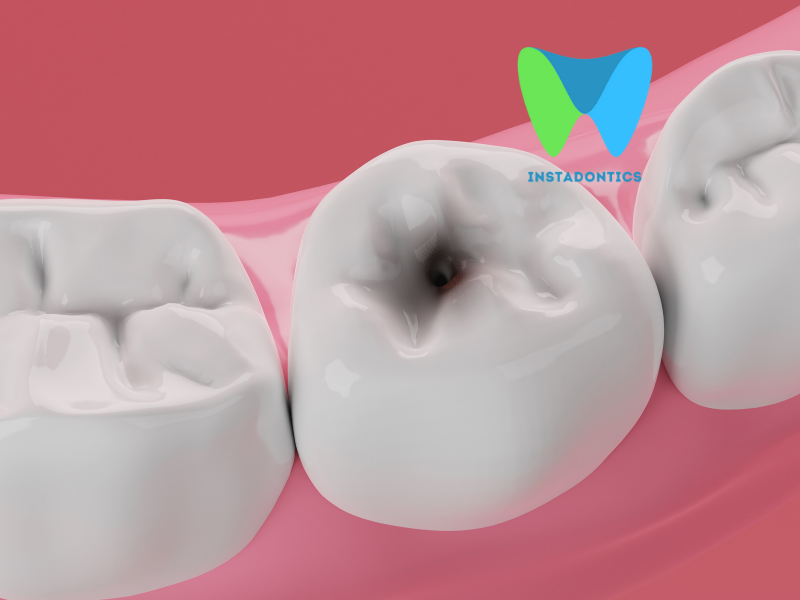
Cavities (dental caries) are areas of permanent enamel damage from prolonged acid exposure produced by bacteria feeding on sugars and carbohydrates in plaque. Over time, this acidic environment strips minerals from the enamel, eventually creating structural holes.
Stages of Cavity Development
- Demineralization — minerals leach from enamel, creating weak spots, often visible as white or chalky patches
- Enamel decay — progression to a small, structural cavity in the enamel layer
- Dentin involvement — decay reaches the dentin beneath the enamel, causing noticeable sensitivity
- Pulp infection — advanced decay reaches the tooth’s nerve, causing pain, infection, and potentially abscess
Can Cavities Heal? The Real Answer, With Real Numbers
Reversible Cavities: What the Trial Data Actually Shows
Early-stage lesions — called white spot lesions or incipient caries — genuinely can be arrested or reversed through remineralization, and this isn’t a fringe claim; it’s backed by multiple randomized controlled trials with quantified results.
Fluoride varnish has documented, specific effectiveness: one study found fluoride varnish application produced a 44.3% reduction in enamel demineralization in orthodontic patients (a population at elevated risk due to plaque traps around brackets). A one-year randomized clinical trial in young children with white spot lesions found that oral hygiene combined with fluoride varnish applications measurably reduced lesion size over the study period, and separate research has found varnish improves enamel microhardness — meaning it doesn’t just superficially treat the lesion, it measurably strengthens the tooth’s resistance to future acid attacks.
CPP-ACP (casein phosphopeptide-amorphous calcium phosphate, commonly sold as “tooth mousse”) has its own dedicated trial base. In the same year-long randomized trial referenced above, CPP-ACP applied twice daily reduced white spot lesion size comparably to fluoride varnish. A more recent in situ study found high-concentration CPP-ACP effectively remineralized enamel subsurface lesions and could occlude exposed dentin tubules — directly relevant to the sensitivity that often accompanies early decay. Research has also found that combining CPP-ACP with fluoride outperforms either ingredient used alone, since they appear to work through complementary mechanisms.
What to look for: if your dentist identifies a white spot lesion (visible as a chalky or opaque area rather than a frank hole) during a checkup, this is genuinely the window where professional-strength fluoride or CPP-ACP treatment has real, trial-documented potential to reverse the damage — this is a meaningfully different situation than an already-cavitated tooth, and it’s worth asking your dentist directly whether a specific lesion still falls into this reversible category.
Irreversible Cavities: Why the Line Is Firm
Once decay progresses past the enamel into dentin, no amount of remineralization reverses it — the dentin has a fundamentally different structure and mineral composition than enamel, and there’s no equivalent natural or professional remineralization pathway once that boundary is crossed. Enamel is roughly 96% mineral by weight with a highly organized crystalline structure that fluoride and CPP-ACP can rebuild upon; dentin is only about 70% mineral, contains living cellular processes, and is structurally organized around microscopic tubules rather than a dense mineral lattice — a fundamentally different substrate that remineralization technologies aren’t designed to rebuild once it’s been structurally compromised by decay. At this stage, professional intervention (filling, crown, or root canal depending on severity) becomes the only path forward, which is exactly why catching a lesion early — while it’s still confined to enamel — matters as much as it does.
A Middle Ground Worth Knowing: Arresting (Not Reversing) Established Decay
This is a genuinely useful nuance most general articles skip. Silver diamine fluoride (SDF) is a professional treatment that doesn’t reverse cavitated decay back to healthy enamel, but can arrest its progression — stopping it from getting worse without necessarily restoring the tooth. A systematic review and meta-analysis pooling data on over 1,200 lesions found an overall caries arrest rate of roughly 51.6% with SDF applied biannually. A broader umbrella review found arrest rates ranging from 65–91% across multiple systematic reviews, with the wide range reflecting differences in application protocol and lesion severity.
Another meta-analysis of 20 randomized controlled trials found arrest rates varying even more widely — from 25% to 99% — underscoring how much technique, frequency, and lesion characteristics affect the outcome. The tradeoff: SDF causes permanent black staining of the treated area, which is why it’s more commonly used in less visible back teeth or in situations (like young children who can’t tolerate a filling) where arresting decay non-invasively outweighs the cosmetic cost.
Signs You May Have a Cavity
- Tooth sensitivity to hot, cold, or sweet foods — often one of the earliest noticeable signs, since it can appear even before a lesion is visible to the naked eye
- Visible holes, chalky white spots, or dark spots on teeth — a chalky, opaque white spot specifically represents the early demineralization stage still within the reversible window described above, while a visible dark spot or actual hole indicates the process has already progressed further
- Pain or discomfort when biting down — can indicate decay has progressed deep enough to affect the tooth’s structural integrity or is approaching the nerve
- Persistent bad breath or an unpleasant taste — decay creates a bacterial reservoir that’s difficult to fully clean with normal brushing, contributing to odor independent of overall oral hygiene
A genuinely important caveat: cavities frequently progress without pain, especially in the early stages — pain often doesn’t appear until decay has already reached the dentin or pulp, which is precisely why routine dental checkups (rather than waiting for symptoms) are what actually catches lesions while they’re still in the reversible enamel-only stage. This is worth internalizing specifically because it runs counter to how most people intuitively gauge dental health — the absence of pain is reassuring but not diagnostic, and it’s entirely possible to have active, progressing decay with zero symptoms for months.
How to Promote Remineralization
Oral Hygiene
- Brush twice daily with fluoride toothpaste
- Floss or use interdental brushes daily
- Consider a fluoride mouthwash for additional exposure
Diet
- Limit sugars and refined carbohydrates, since these directly fuel the acid-producing bacterial activity driving demineralization
- Consume calcium- and phosphate-rich dairy, which supplies the raw minerals remineralization actually redeposits into enamel
- Drink fluoridated water where available, for consistent low-level fluoride exposure throughout the day
Fluoride Products
Fluoride remains one of the most extensively trial-tested tools in this entire process — beyond the specific varnish data above, its general mechanism (strengthening enamel’s resistance to acid and actively promoting mineral redeposition) is among the most established findings in preventive dentistry.
Fluoride works through two complementary pathways: topical exposure (toothpaste, varnish, mouthwash) directly strengthens the outer enamel surface on contact, while systemic exposure during tooth development (fluoridated water, supplements in areas without it) becomes incorporated into the tooth’s mineral structure before it even erupts, providing more baseline acid resistance from the start.
For existing teeth in adults, topical exposure is the more relevant pathway, which is why consistent use of fluoride toothpaste and, when recommended by a dentist, professional-strength varnish matters more than water fluoridation alone at this stage of life.
Xylitol Gum
Chewing sugar-free gum stimulates saliva flow, which mechanically washes away debris and delivers minerals to the tooth surface. Xylitol specifically has trial-documented benefit beyond generic saliva stimulation: multiple systematic reviews have found xylitol gum significantly reduces both plaque accumulation and levels of Streptococcus mutans, the primary cavity-causing bacterium, since this bacterium can’t effectively metabolize xylitol the way it metabolizes sugar.
Regular Dental Visits
Routine checkups are what actually catch lesions while they’re still in the enamel-only, genuinely reversible stage — given how often early decay is painless, this is arguably the single highest-leverage item on this entire list.
Professional Treatments for Established Cavities
- Fillings — the standard treatment once decay has progressed past what remineralization can address; composite resin, amalgam, and gold are the common material choices
- Dental crowns — for more extensive decay where a filling alone wouldn’t adequately restore the tooth’s strength
- Root canals — necessary once decay reaches the pulp, involving removal of infected tissue, cleaning, and sealing
- Professional fluoride treatments — higher-concentration than over-the-counter products, specifically effective for early-stage lesions as described above
- Silver diamine fluoride — for arresting (not restoring) established decay, particularly relevant for young children, patients who can’t tolerate a filling, or lesions in less cosmetically visible areas
Myths About Cavities — Fact-Checked
Myth: Sugar directly causes cavities. Truth: sugar itself doesn’t dissolve enamel — it’s the acid produced by bacteria metabolizing that sugar that causes demineralization, which is a meaningful mechanistic distinction, not just semantics, since it’s why frequency of sugar exposure (repeated acid attacks) matters more than total quantity consumed in one sitting.
Myth: Only kids get cavities. Truth: adults and seniors remain fully at risk, and certain adult-specific factors — dry mouth (common with many medications, particularly antihistamines, antidepressants, and blood pressure drugs), gum recession exposing root surfaces (which lack enamel’s protection entirely and are more vulnerable to decay than crowned tooth surfaces) — can actually elevate risk compared to childhood. Root caries specifically is a growing concern in older adults as more people retain their natural teeth longer into life.
Myth: If a tooth doesn’t hurt, it’s healthy. Truth: as covered above, cavities frequently progress silently until they reach the dentin or pulp, which is precisely the mechanism that makes routine checkups (rather than symptom-based dental visits) genuinely protective. X-rays taken during routine visits can detect decay between teeth long before it would ever become symptomatic, since this location is largely invisible to both the patient and a purely visual exam.
Myth: Brushing harder prevents cavities. Truth: excessive brushing force doesn’t improve plaque removal and instead measurably wears enamel and irritates gums. A soft-bristled brush with gentle, technique-focused brushing outperforms aggressive scrubbing for both cavity and gum-health outcomes.
Frequently Asked Questions About Cavities:
Can I actually stop a cavity once it’s started, or is that just marketing?
Yes, genuinely, but only at the earliest (demineralization) stage — real randomized trials show fluoride varnish and CPP-ACP measurably reduce white spot lesion size over months of treatment. Once decay reaches the dentin, this reversal window has closed and professional restoration is required.
How long does it take for a cavity to actually form?
This varies considerably by individual factors (diet, hygiene, saliva composition, and fluoride exposure), ranging from a period of months in high-risk situations to years in lower-risk cases — there’s no single fixed timeline, which is part of why individual risk assessment by a dentist matters more than a generic rule.
Are water flossers effective for preventing cavities?
They can help remove debris and bacteria between teeth, but should supplement rather than replace daily brushing and flossing technique.
Can oil pulling heal cavities?
No — there’s no reliable scientific evidence supporting this claim. Direct laboratory testing has found no measurable effect on tooth color or structure from oil pulling, and while it may modestly reduce oral bacteria as a side benefit of the swishing action, it cannot reverse established enamel demineralization the way fluoride or CPP-ACP can.
What is silver diamine fluoride, and is it the same as “healing” a cavity?
No — SDF arrests (stops the progression of) an already-cavitated lesion rather than restoring it to healthy tooth structure, with documented arrest rates ranging widely (roughly 25–99% depending on the study and protocol, with most reviews clustering around 50–90%). It causes permanent black staining at the treated site, making it more suitable for less visible teeth or specific clinical situations rather than a universal alternative to a filling.
Is it possible to prevent cavities completely?
Not with absolute certainty, but consistent oral hygiene, a lower-sugar diet, regular fluoride exposure, and routine dental visits substantially reduce risk — the research consistently shows these combined habits, rather than any single intervention alone, produce the strongest protective effect.
Does the type of fluoride product matter, or is any fluoride toothpaste equally effective for remineralization?
Concentration matters considerably — over-the-counter toothpaste provides a baseline level of protection, but the trial data showing measurable white-spot-lesion reversal generally used professional-strength fluoride varnish, applied directly by a dentist, which delivers a meaningfully higher fluoride concentration than daily toothpaste alone.
Bottom Line
Cavities genuinely can heal — but only within a specific, real window: while decay is still confined to enamel demineralization, before it reaches the dentin. Within that window, fluoride varnish and CPP-ACP both have quantified, trial-documented reversal effects, not just theoretical potential. Once decay progresses further, silver diamine fluoride offers a real, if variably effective (roughly 50–90% in most reviews), way to arrest further progression without full restoration. However, true reversal is no longer possible at that stage — a filling or other restorative treatment becomes necessary. The single most actionable takeaway from the actual research: because cavities frequently progress painlessly, routine dental checkups — not waiting for symptoms — are what actually catch lesions while they’re still in the reversible stage.
References
- “Efficacy of Fluoride Varnish and Casein Phosphopeptide-Amorphous Calcium Phosphate for Remineralization of Primary Teeth: A Randomized Clinical Trial.” PMC — https://pmc.ncbi.nlm.nih.gov/articles/PMC5588292/
- “Effectiveness of Remineralization Treatments on Incipient Lesions: A Controlled Clinical Trial.” International Journal of Oral and Dental Health — https://clinmedjournals.org/articles/ijodh/international-journal-of-oral-and-dental-health-ijodh-4-054.php?jid=ijodh
- “Efficient enamel subsurface lesion remineralisation and dentine tubule occlusion by high concentration CPP-ACP: a randomised, cross-over in situ study.” Scientific Reports — https://www.nature.com/articles/s41598-025-14005-z
- “Silver Diamine Fluoride (SDF) Efficacy in Arresting Cavitated Caries Lesions in Primary Molars: A Systematic Review and Metanalysis.” PMC — https://www.ncbi.nlm.nih.gov/pmc/articles/PMC9566773/
- “Silver diamine fluoride for managing carious lesions: an umbrella review.” PMC — https://www.ncbi.nlm.nih.gov/pmc/articles/PMC6626340/
- “The role of silver diamine fluoride as dental caries preventive and arresting agent: a systematic review and meta-analysis.” PMC — https://www.ncbi.nlm.nih.gov/pmc/articles/PMC11628507/
- “A Systematic Review and Meta-Analysis of the Role of Sugar-Free Chewing Gum on Plaque Quantity in the Oral Cavity.” PMC — https://www.ncbi.nlm.nih.gov/pmc/articles/PMC9006880/
This article summarizes findings from published randomized controlled trials, systematic reviews, and meta-analyses; it is not a substitute for personalized advice from a licensed dentist.